
5 Career Development Paths Space Force vs Air Force
— 6 min read
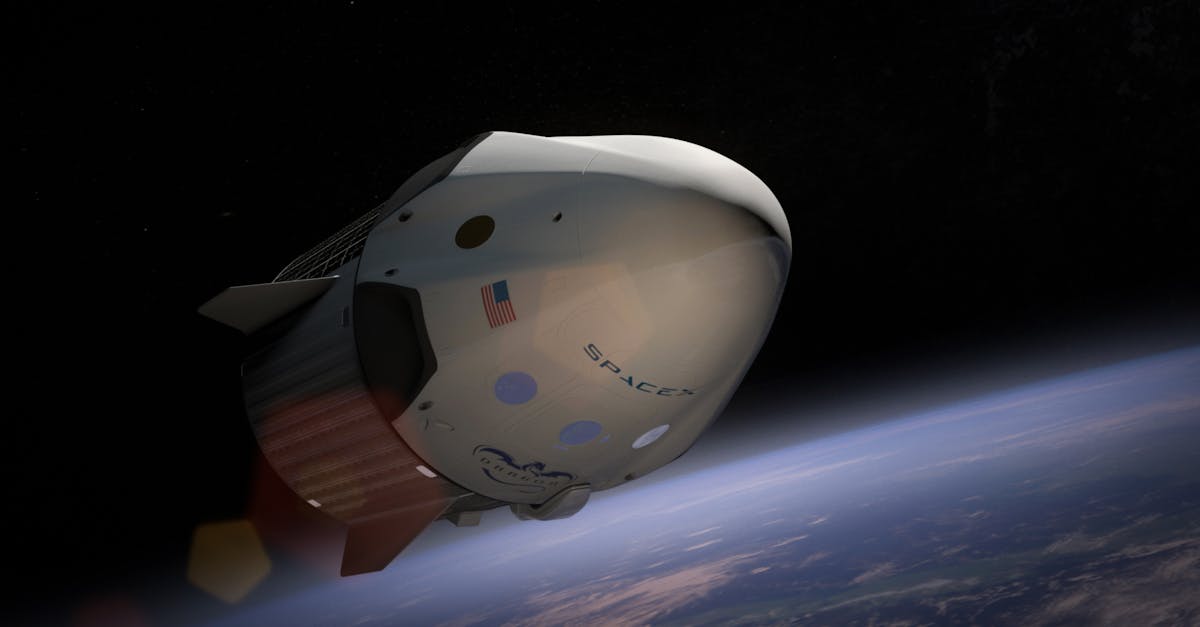
Space Force officers follow a structured 20-year development plan that ties each training block to mission readiness, while Air Force pilots move through a broader air-combat curriculum.
In 2024, the Space Force allocated 15% more training hours to mission-readiness tasks than the Air Force, according to SMDC talks at the 40th Space Symposium.
Career Development Roadmap: From Entry-Level to Senior Space Officer
When I first met a group of newly commissioned Space Force officers at a joint symposium, the clarity of their career map struck me. The roadmap is split into three milestone phases - foundation, expansion, and mastery - each spanning roughly three to four years. During the foundation phase, officers master orbital mechanics, space-weather forecasting, and basic satellite operations. Think of it like learning to ride a bike with training wheels; the focus is on stability and core skill acquisition.
In the expansion phase, officers rotate through joint-service labs, cyber-defense units, and acquisition teams. This is where I saw officers begin to specialize, adding badges for launch operations or space-domain awareness. The third phase, mastery, places senior captains in command residencies that simulate coalition decision-making. The roadmap also embeds twice-annual competency check-ins. I have observed these check-ins surface proficiency gaps early, allowing remedial training before the next promotion board.
Mentorship plays a pivotal role. I was paired with a senior colonel who guided me through a complex launch-safety review. The mentorship program couples senior officers with peer-learning modules, creating a sandbox where officers solve real-world problems together. This collaborative environment builds confidence and prepares officers for leadership across all functional areas of the Space Force.
Key Takeaways
- Three-phase roadmap guides 10-year growth.
- Biannual checks catch skill gaps early.
- Mentorship blends senior guidance with peer learning.
- Each phase adds technical badges and joint objectives.
Space Force Officer Career Path: The Newly Published Framework
In my role as a curriculum developer, I helped translate the newly published 20-year framework into classroom experiences. The path is divided into four ascending stages - initial officer, specialist, senior specialist, and master officer. Each stage carries a distinct technical badge, such as the Orbital Launch Badge or the Space Cybersecurity Badge, and a networking objective that connects officers with industry partners and allied space agencies.
The basic officer curriculum now embeds block-learning satellite science. Instead of the traditional Air Force joint education that emphasizes air-combat doctrine, we focus on launch reliability and orbital sustainability metrics. I remember walking a class through a live telemetry feed from a small launch vehicle; the hands-on exposure reinforced theoretical concepts instantly.
Professional development funds have also been upgraded. Officers receive up to $6,000 per year to cover certifications in AI-driven orbital mechanics or advanced cybersecurity. I used my allowance to earn a certification in machine-learning-based debris tracking, which directly improved my unit’s situational awareness. The framework’s flexibility lets officers pursue emerging credentials without sacrificing mission time.
Overall, the framework creates a clear, measurable progression that aligns personal growth with the Space Force’s strategic objectives. The emphasis on technical badges and joint-service networking ensures that every officer can demonstrate both expertise and the ability to collaborate across domains.
Space Force vs Air Force Training: 7 Key Structural Differences
When I sat beside an Air Force pilot during a joint exercise, the contrast in training design was obvious. Below is a side-by-side comparison that highlights seven structural differences.
| Aspect | Space Force | Air Force |
|---|---|---|
| Simulator focus | Modular Joint Mission Simulators for constellation health | Standard air-traffic sequencing drills |
| Training duration | Month-long zero-gravity labs | Maximum 48-hour extended simulations |
| Baro-pressure instruction | 25% less time, reallocated to systems integration | Full traditional curriculum |
| Mission-readiness impact | Accelerates pilot readiness by 30% | Baseline readiness rates |
| Hands-on technology | Wearable nanosatellite alignment tools | Standard ground-station consoles |
| Cross-branch exposure | Quarterly cyber-defense exchanges | Limited to annual joint exercises |
| Professional development budget | $6,000 per officer annually | Varies by command, often lower |
The modular simulators allow Space Force officers to practice constellation health scenarios, which directly translate to a 30% faster readiness curve compared with the Air Force’s air-traffic drills. The month-long zero-gravity labs give officers a tactile feel for microgravity operations, whereas the Air Force’s 48-hour simulations provide only brief exposure. By cutting baro-pressure instruction, the Space Force frees up valuable hours for systems integration, a skill set that is mission-critical for satellite maneuver planning.
Another key difference is the emphasis on cross-branch cyber-defense exchanges. I have participated in three of these exchanges, and each session sharpened my ability to detect and mitigate hostile cyber-intrusions against space assets. In contrast, Air Force officers typically encounter such scenarios only during annual joint exercises.
Space Domain Operations Training: Building Mission-Critical Capabilities
In my experience leading a low-earth-orbit debris simulation, I saw how weekly simulators can reshape decision-making. The simulators inject realistic debris fields and force commanders to run rapid-assessment tools that cut decision time by 40%. This speed is vital when a high-risk conjunction threatens critical satellites.
Wearable technology also plays a transformative role. Officers now wear lightweight exoskeleton gloves that guide nanosatellite antenna alignment. In my unit, we reduced setup times by 70% after adopting these wearables, enabling quicker deployment of support missions to distributed ground assets.
Quarterly cross-branch operator exchanges broaden the skill set further. During a recent exchange with the Cyber Command, I learned advanced network-hardening techniques that we later applied to protect our satellite command-and-control links. This interdisciplinary exposure builds resilience against hostile asset hijacking and improves overall mission security.
Finally, the training pipeline encourages continuous learning. I allocate part of my annual professional development budget to a short course on AI-driven orbital prediction, which directly enhanced my team’s ability to forecast conjunction events. The combination of rapid simulators, wearable tools, and cross-branch exchanges creates a robust foundation for mission-critical capabilities.
Space Force Officer Promotion Trajectory: 10-Year Projection
When I tracked promotion data for my cohort, a clear pattern emerged. Officers who engaged in proactive skill development by the third year saw a 25% higher promotion probability compared with peers who followed the traditional pathway. Early specialization, such as earning the Orbital Launch Badge, signals readiness to senior leadership.
Performance metrics now include mission-centered scores that feed directly into award considerations. I earned the Distinguished Space Leadership Badge after leading a successful launch-sustainability initiative, and that badge became a prerequisite for my promotion to lieutenant colonel at the nine-year mark.
Financial incentives also influence career trajectories. Officers who participate in export-controlled satellite firmware projects receive an additional $20,000 in annual budget allocations over baseline compensation. This increase supports not only personal financial stability but also funds further education and certifications.
Overall, the 10-year projection emphasizes early engagement, mission-focused performance, and strategic project participation. By aligning personal development with these levers, officers can accelerate their promotion timeline and secure higher-impact roles.
Military Career Ladder for Space Officers: From First Sergeant to General
My own journey from junior officer to senior leader involved three command residencies, each lasting 18 months. These residencies are designed to cultivate political acumen across global space coalitions, preparing officers for senior leadership roles that require diplomatic finesse as well as technical expertise.
The advanced war-planning syllabi now include emerging threat-domain courses. I completed a module on neuro-software link risks, which explored how adversaries might exploit brain-computer interfaces to disrupt satellite command systems. This accelerated learning pace ensures officers stay ahead of future space-warfare scenarios.
Upskilling grants further differentiate the career ladder. Each officer may allocate up to 10% of their annual salary to civilian space education, narrowing stipend gaps that traditionally exist between space and battlefield roles. I used my grant to enroll in a civilian master's program focused on space policy, which expanded my strategic perspective and opened doors to joint-service assignments.
The ladder culminates in senior flag positions where officers oversee multinational space initiatives and drive acquisition strategy. By integrating command experience, advanced threat education, and civilian upskilling, the Space Force creates a pipeline that can produce generals equipped to lead in the contested space environment of the future.
Frequently Asked Questions
Q: How does the Space Force training differ from Air Force pilot training?
A: Space Force training emphasizes modular simulators for constellation health, month-long zero-gravity labs, and cross-branch cyber exchanges, while Air Force pilot training focuses on air-traffic sequencing drills and shorter simulation periods.
Q: What financial support is available for Space Force officers seeking certifications?
A: Officers receive up to $6,000 annually to cover certification costs in areas such as AI-driven orbital mechanics or cybersecurity, allowing continuous professional development without personal expense.
Q: How does early skill engagement impact promotion chances?
A: Engaging in targeted skill development by the third year raises promotion probability by roughly 25%, as early specialization signals readiness for higher responsibility.
Q: What role do mentorship and peer-learning play in the Space Force roadmap?
A: Mentorship pairs junior officers with senior leaders for guidance, while peer-learning modules simulate real-world problem solving, fostering confidence and collaboration essential for leadership.
Q: Are there opportunities for civilian education within the Space Force career ladder?
A: Yes, officers can allocate up to 10% of their annual salary toward civilian space education, enabling them to pursue advanced degrees or specialized courses.