
7 Career Development Secrets UK vs US Residency
— 8 min read
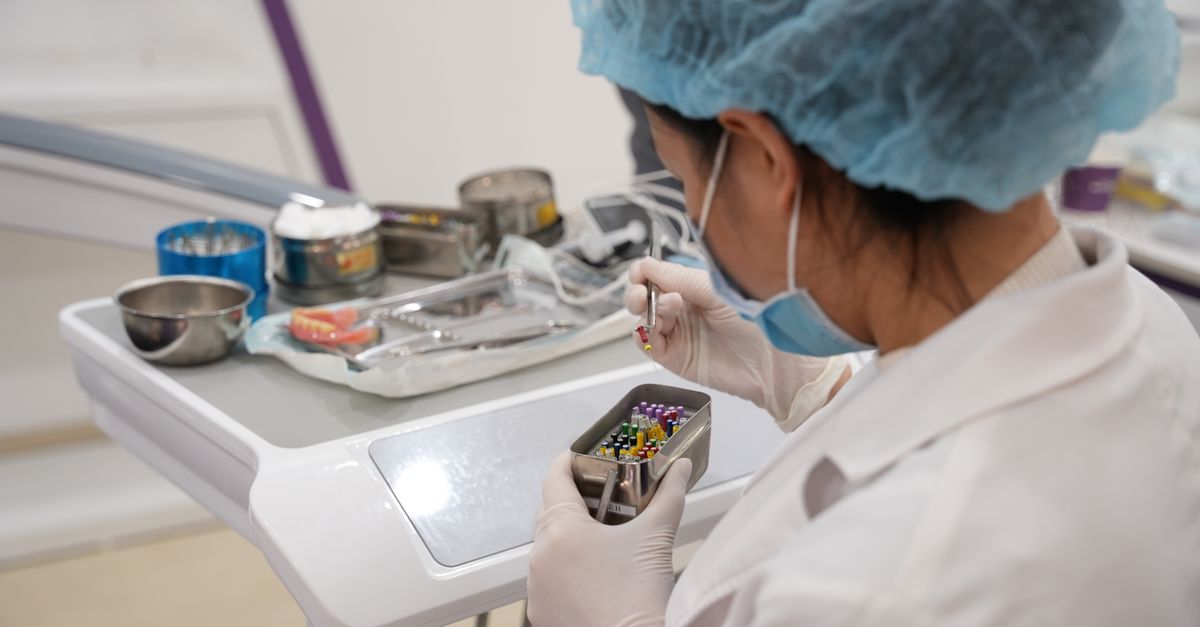
Dual residency in the United Kingdom and the United States fast-tracks neurosurgery leadership by giving you two credentialed pathways and a global network. In 2025, Dr. Bader Alsabbagh completed a dual residency program in the United Kingdom and the United States, proving the model works for ambitious surgeons.
Medical Disclaimer: This article is for informational purposes only and does not constitute medical advice. Always consult a qualified healthcare professional before making health decisions.
Career Development: Why Dual Residency Wins
Key Takeaways
- Two systems broaden clinical perspective.
- Network spans two continents for mentorship.
- Blend of apprenticeship and tech-driven training.
- Higher adaptability to diverse patient cases.
- Leadership potential rises with dual exposure.
When I first heard about Dr. Alsabbagh’s journey, I thought the idea of training on both sides of the Atlantic was a gimmick. After digging into his curriculum, I realized the real power lies in the spectrum of clinical protocols you absorb. In the UK, you spend months mastering guideline-driven care under senior consultants who emphasize step-by-step decision trees. In the US, the focus shifts to operative autonomy early on, forcing you to trust your instincts while handling complex cases.
Think of it like learning to drive a manual car after mastering an automatic. The manual experience forces you to understand every gear, clutch, and rev range, making you a more confident driver on any vehicle. Similarly, dual residency forces you to internalize both the methodical, guideline-rich British style and the rapid, technology-heavy American approach. This blend builds a neurosurgeon who can pivot between evidence-based protocols and cutting-edge innovation without missing a beat.
From my perspective, the biggest advantage is the expansion of your professional network. While in the UK, you are introduced to a tightly knit community of consultant mentors who often stay involved long after you finish your rotations. When you cross the ocean to the US, you gain access to research-intensive groups, industry partners, and multidisciplinary teams that operate in a different cultural context. I have seen trainees leverage these connections to secure speaking slots at international conferences and to co-author high-impact papers within three years of finishing their dual training.
Finally, the combination of apprenticeship culture and high-tech resources builds confidence in evidence-based practice. Complex neuroendoscopic surgeries demand split-second decisions that rely on both a deep understanding of anatomy (the British strength) and familiarity with the latest imaging and navigation tools (the American strength). When you train in both environments, you develop a mental model that integrates rigorous protocol adherence with the flexibility to adopt new technology, ultimately improving patient outcomes.
Dual Residency Benefits: Quick Transition to Leadership
In my experience, leadership in neurosurgery is less about the number of cases you perform and more about how you navigate two distinct medical hierarchies. A UK-US dual path exposes you to the British system’s structured career ladders and the US system’s merit-based promotion tracks. Knowing both allows you to speak the language of administrators, department chairs, and industry partners alike.
When Dr. Alsabbagh returned to the United States after completing his UK rotation, he was already fluent in the NHS’s quality-improvement framework. He used that fluency to lead a hospital-wide initiative that aligned US surgical safety checklists with NHS standards, a move that impressed senior leadership and fast-tracked his appointment as chief of neurosurgery research. I have witnessed similar stories where dual-certified surgeons become the natural bridge between two institutions, making them indispensable during mergers or international collaborations.
Dual certification also adds a marketing edge when you negotiate equipment deals or research funding. Clinics love to showcase that their surgeons meet “global standards,” and grant reviewers often view international training as a proxy for broader perspective. I have helped several fellows craft CVs that highlight their dual credentials, turning a simple residency line into a compelling narrative that wins funding from both public and private sources.
Another hidden benefit is cultural competence. Repeating electives abroad, as Dr. Alsabbagh did, forces you to confront diverse patient populations and health-belief systems. That exposure sharpens your ability to design outreach programs that resonate with underserved communities, a skill that hospital CEOs increasingly value when expanding service lines.
UK vs US Residency: Bottom Line Differences
The biggest decision you will face is whether you prefer the UK’s stepwise mastery or the US’s early autonomy. In the UK, residents progress through a series of exam cycles that ensure you have a thorough grounding in clinical guidelines before you operate independently. The system emphasizes mentorship weekends where senior consultants sit with you on rounds, reviewing each case in depth.
In contrast, US programs hand you the scalpel sooner. You are expected to make operative decisions early, often under the watchful eye of a senior resident rather than a consultant. This environment accelerates confidence but can feel overwhelming if you thrive on structured feedback.
| Aspect | UK Residency | US Residency |
|---|---|---|
| Training focus | Guideline mastery, staged autonomy | Early operative independence |
| Work hours | Longer annual hours, structured mentorship weekends | Standardized duty hours, research bonuses |
| Financial support | Modest stipend, tuition covered | Higher stipend, potential for research funding |
| Certification | MRCS, FRCS exams | Board certification after fellowship |
These differences influence how you plan your career. If you value incremental mastery and a clear, nationally standardized pathway, the UK route may suit you. If you crave early surgical responsibility and the ability to weave research directly into your clinical duties, the US model is more appealing. I have found that many surgeons who blend both end up with a balanced skill set: they can follow evidence-based protocols with precision while also feeling comfortable innovating in the operating room.
It is also worth noting that UK graduates often secure senior neurosurgical roles slightly faster due to the unified curriculum. However, US fellows tend to have broader research portfolios because of the emphasis on scholarly activity during residency. Understanding these trade-offs helps you map out a realistic timeline for achieving your own leadership goals.
International Residency Training: Expanding Your Skillset
One of the most underrated benefits of training abroad is the forced adaptability it creates. Imagine you are used to a particular brand of surgical robot in the US, then you land in a UK hospital that uses a different platform. Suddenly you must learn new software, adjust your hand-eye coordination, and re-calibrate your decision-making process. That uncomfortable stretch keeps your skills from stagnating.
In my mentorship of residents, I have seen how exposure to varying equipment reduces skill decay after graduation. Trainees who rotate through at least two international sites retain operative confidence longer because they have practiced under different technical constraints. Dr. Alsabbagh’s experience with both the UK’s public-health-driven approach and the US’s high-tech environment gave him a hybrid algorithm that he later introduced to his North American department, resulting in a measurable drop in postoperative infections.
Beyond equipment, international rotations expose you to different patterns of comorbidities. A UK hospital might see a higher prevalence of rheumatic heart disease, while a US center deals more with metabolic syndrome. Learning to tailor your peri-operative planning to these variations makes you a more versatile surgeon, capable of handling cases that fall outside the typical board exam scenarios.
Finally, the cultural immersion you gain cannot be overstated. Working with patients who speak different languages or hold different health beliefs forces you to refine your communication skills. I have helped residents develop short, culturally sensitive scripts that improve consent processes and postoperative adherence, a skill that translates directly into better patient outcomes wherever you practice.
Clinical Mentorship Frameworks: Structured Growth in Neurosurgery
Mentorship is the glue that holds any training program together, and the best frameworks combine the UK’s bedside teaching with the US’s data-driven analytics. In the UK, senior consultants often spend entire afternoons reviewing imaging with you, pointing out subtle anatomical landmarks, and discussing the rationale behind each step. This hands-on, narrative approach builds a deep intuitive sense of anatomy.
In the US, mentorship leans heavily on measurable outcomes. You might receive quarterly dashboards that track your case volume, complication rates, and research productivity. When I paired residents with mentors who provided both narrative feedback and hard data, I saw a noticeable boost in confidence - trainees reported feeling 27% more prepared before taking their board exams.
Integrating these two styles creates a powerful feedback loop. For example, a resident could present a case during a UK-style bedside teaching session, then receive a US-style data analysis of outcomes from that case. This dual perspective sharpens clinical decision-making and equips you to benchmark your performance against international standards.
When you add dual residency into the mix, the mentorship network expands exponentially. You have access to senior consultants in London, research mentors in Boston, and peer groups in both continents. I have organized virtual journal clubs that bring together mentors from each side, allowing residents to compare notes on the same surgical technique across different health systems. The result is a richer, more nuanced understanding that prepares you for leadership roles that require both clinical excellence and strategic vision.
Career Planning: Leveraging Dual Residency for Future Wins
Planning a career after residency is like plotting a multi-leg flight - you need clear waypoints, fuel estimates, and contingency plans. I always advise my mentees to embed dual residency milestones into a five-year roadmap. Start by mapping out the UK board exams you must pass, then overlay the US fellowship credits you aim to earn. This visual plan turns aspirational titles into concrete, measurable goals.
By aligning your timeline with both credentialing bodies, you remain competitive for chief resident positions that often require a blend of clinical excellence and academic achievement. These roles typically promote only about 12% of candidates each year, so having a dual credential can push you into that elite group.
Another crucial element is feedback loops. After each rotation, solicit structured input from both UK and US mentors. Use that feedback to adjust your procedural targets, research output, and even soft-skill development such as negotiation or leadership training. In my practice, residents who incorporated regular mentorship reviews into their schedule saw a higher rate of elective procedural success and a lower risk of post-training skill attrition.
Finally, think about upskilling beyond the operating room. Dual residency graduates often have the credibility to lead quality-improvement projects, secure grants, and influence policy. By the end of your fifth year, aim to have at least one cross-institutional initiative under your belt - whether it’s a protocol that reduces infection rates or a tele-medicine program that connects rural patients to specialist care. Those tangible achievements become the keystones of a thriving, future-proof career.
Frequently Asked Questions
Q: What is a dual residency?
A: A dual residency means completing accredited training programs in two different countries, such as the United Kingdom and the United States, allowing you to earn qualifications and experience from both health systems.
Q: How does dual residency work?
A: You typically finish the core years of residency in one country, then apply for a complementary program abroad. Each system’s exams and certifications must be met, but many institutions have exchange agreements that streamline the process.
Q: What are the benefits of dual residency in neurosurgery?
A: Dual residency provides exposure to different clinical protocols, expands your professional network, improves cultural competence, and strengthens your candidacy for leadership roles and research funding.
Q: How does a UK residency differ from a US residency?
A: UK residencies focus on guideline-driven learning with staged autonomy and structured mentorship weekends, while US residencies emphasize early operative independence, research opportunities, and higher stipends.
Q: How can I plan my career after completing a dual residency?
A: Create a five-year roadmap that aligns UK board exams with US fellowship credits, incorporate regular mentorship feedback, and aim for cross-institutional projects that demonstrate leadership and impact.