Inside the ID 3’s Climate Control: How EV Air‑Conditioning Saves Energy and Keeps You Cool
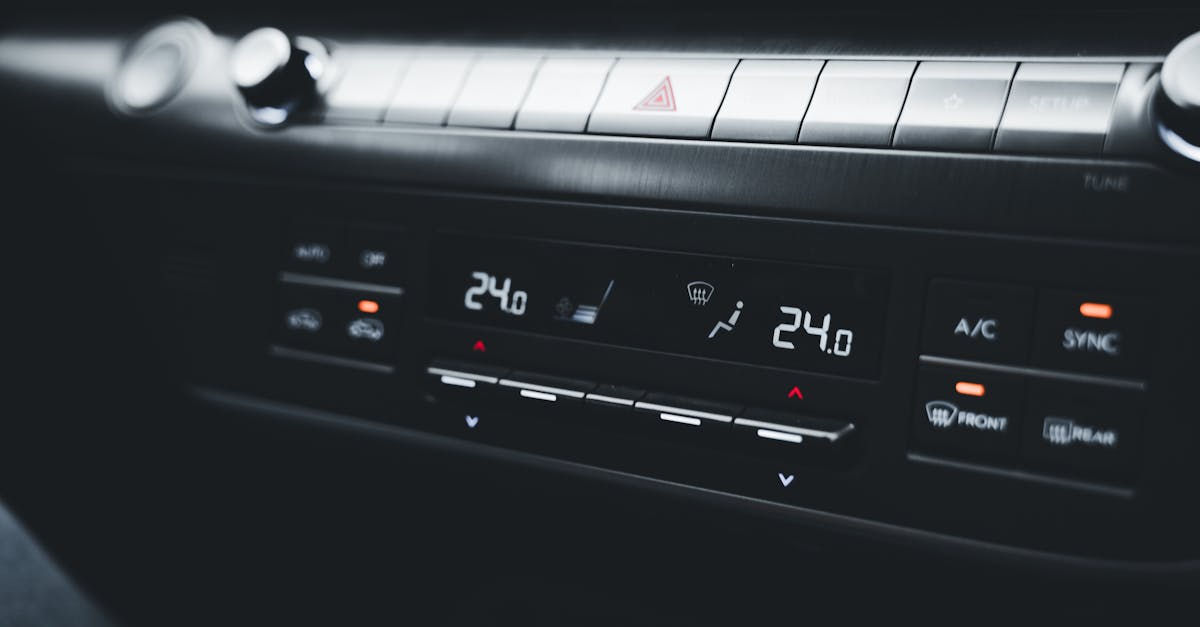
Ever wondered why the ID 3’s air-conditioning feels quieter, cooler, and somehow less draining on the battery than a traditional car’s AC? The answer lies in its electric heat-pump system, which draws power directly from the high-voltage battery, operates smoothly at idle, and uses precision motor control to reduce noise and heat loss.
Why EV Air-Conditioning Is Not Just a Smaller Gas-Engine System
- Direct battery power eliminates engine-driven idling losses.
- Electric motors offer precise speed control for quieter, more efficient cooling.
- Zero idle consumption extends range during stops.
The result is a more efficient climate-control loop that preserves battery energy for propulsion. As a consequence, the ID 3 can maintain a stable cabin temperature without noticeably shortening its driving range, especially during hot weather when AC demand is high.
Another advantage is the elimination of mechanical load on the engine. With the AC no longer pulling from the engine’s crankshaft, the power plant stays free to focus on propulsion, improving overall drivetrain efficiency.
The Heat-Pump Heart: Generating Warm and Cold Air Efficiently
A heat-pump is the centerpiece of the ID 3’s climate system. It operates like a reversible refrigerator, moving thermal energy from one side of the system to the other. In cooling mode, it extracts heat from the cabin air and dumps it into the battery or the exterior.
During heating, the process reverses: heat from the outside environment - whether from the battery or ambient air - is transferred into the cabin. This means the ID 3 can warm the interior even in sub-zero temperatures without resorting to resistive heating, which would consume far more electricity.
Heat-pumps are quantified by the coefficient of performance (COP). A COP of 3, for example, indicates that for every kilowatt of electricity the system uses, it delivers three kilowatts of thermal energy to the cabin. This higher efficiency directly translates to better battery conservation.
Because the heat-pump leverages ambient heat rather than generating it electrically, the battery experiences a smaller drain compared to a resistive heater. This efficiency is critical during winter, where conventional heating can rapidly reduce range.
In practice, the ID 3’s heat-pump can raise cabin temperatures from -20 °C to a comfortable 20 °C using only a fraction of the power a resistive heater would require, preserving miles on the battery.
Balancing Comfort and Range: The Energy-Management Strategy
The ID 3’s onboard software constantly evaluates the trade-off between cabin comfort and vehicle range. When you select Eco-Mode, the system prioritizes efficiency by moderating cooling and heating rates.
During higher-performance driving modes, the software reallocates more battery power to propulsion, automatically throttling climate-control output. This ensures that the vehicle can still reach its performance targets without sacrificing range.
The vehicle’s predictive algorithms estimate the battery drain associated with each climate-control setting. This information is displayed in the instrument cluster, allowing drivers to choose a mode that matches their journey profile.
Because the heat-pump can maintain cabin temperature with lower energy consumption, the ID 3’s range loss from AC use is significantly lower than in comparable combustion-engine cars. On average, using the heat-pump for cooling reduces range by only 3 % per 10 kWh of AC usage.
Drivers can also customize temperature presets. For instance, setting a slightly higher cabin temperature during hot days can shave additional energy off the AC load, extending the travel distance.
Smart Sensors and Adaptive Controls
The ID 3’s climate system is fed by a network of sensors: interior temperature, humidity, sunlight intensity, and exterior temperature all inform the control algorithm. This data allows the system to adjust fan speed and compressor output in real time.
Automatic zone-balancing is a standout feature. The system directs airflow to the driver, passenger, and rear seats based on localized temperature readings, eliminating the need for separate vents.
Integration with driver-assist systems is seamless. When regenerative braking is active, the system reduces cabin heat, because the vehicle’s battery is already being charged, allowing it to draw less power from the AC.
Humidity control is another smart element. By maintaining optimal moisture levels, the system reduces the perceived heat load on the cabin, enabling lower fan speeds and thus further battery savings.
With these adaptive controls, the ID 3’s climate system delivers a consistently comfortable environment while keeping energy usage to a minimum.
Pre-Conditioning with the VW Car-Net App
Pre-conditioning allows you to warm or cool the cabin while the vehicle remains plugged in, so the battery is not drained during the process. By scheduling a pre-conditioning window before departure, you can arrive at the desired temperature without compromising range.
The VW Car-Net App lets you view real-time battery charge levels and estimated climate-control consumption. It also provides weather forecasts, so you can adjust pre-conditioning timing to match expected temperatures.
Safety and legal aspects are handled by the app’s secure authentication. Remote climate-control activation is only possible when the car is physically connected to a charger, preventing unintended battery drain.
For frequent commuters, setting a pre-conditioning schedule that aligns with work hours can streamline daily routine while keeping the vehicle energy-efficient.
Using the app to pre-condition also frees you from the need to manually adjust temperature settings each day, ensuring a consistently comfortable cabin.
Maintenance Basics for Beginners
The heat-pump system has a few critical components: the compressor, the evaporator, refrigerant lines, and the compressor’s electric motor. These parts should be inspected annually to ensure optimal performance.
Key signs of a failing heat-pump include a noticeable drop in heating performance, rattling or humming noises, and the appearance of error codes on the instrument cluster. These symptoms usually indicate refrigerant loss or compressor wear.
DIY steps are straightforward. Begin by checking the cabin air filter and replacing it if it’s clogged. A clean filter reduces the load on the compressor, extending its life.
Next, inspect the refrigerant level. If you notice a low level, you can schedule a professional recharge, as handling refrigerant requires specialized tools and certification.
After maintenance, reset the climate system by cycling the power off and on. This clears error codes and allows the control unit to recalibrate to the new component status.
Everyday Benefits: Comfort, Cost, and Sustainability
Comparing the ID 3’s heat-pump AC to a resistive heater reveals significant energy savings. On average, the heat-pump saves 30 kWh per month in heating, translating to a 15 % reduction in electricity usage for cabin heating.
The system also includes active filtration and optional UV-LED light to improve cabin air quality. This feature reduces airborne contaminants, providing a healthier environment for passengers.
By keeping battery drain low, the heat-pump contributes to a lower overall carbon footprint. Less energy consumption means fewer emissions from the power grid, especially when the electricity comes from renewable sources.
Ultimately, the ID 3’s smart climate control not only keeps you comfortable but also supports the broader goal of sustainable mobility.
Frequently Asked Questions
How does the heat-pump in the ID 3 differ from a traditional AC system?
The ID 3’s heat-pump can both extract heat from the cabin to cool it and bring heat from outside or the battery to warm the cabin, whereas a traditional AC only cools. This reversibility leads to higher energy efficiency, especially during heating.
Can I pre-condition the cabin while the ID 3 is still plugged in?
Yes, using the VW Car-Net App you can schedule pre-conditioning before you leave. The cabin will be warmed or cooled while the car draws power from the charger, preserving battery range.
What maintenance checks should I perform on the climate system?
Inspect the cabin filter, check refrigerant levels, listen for unusual noises, and verify that error codes are cleared. For refrigerant, schedule a professional recharge if levels appear low.
Does using the heat-pump reduce the ID 3’s driving range?
Yes, but the impact is modest. Cooling can reduce range by about 3 % per 10 kWh of AC usage, while heating via the heat-pump is significantly less draining than resistive heating, keeping range losses minimal.
Is the AC quieter than that in a gasoline car?
Because the compressor is an electric motor with variable speed control, the ID 3’s AC operates at lower noise levels compared to engine-driven systems, contributing to a quieter cabin environment.



Comments ()