Winter Clinical Miami: The Mentorship Blueprint That Turbocharges Dermatology Fellowship Placement
— 7 min read
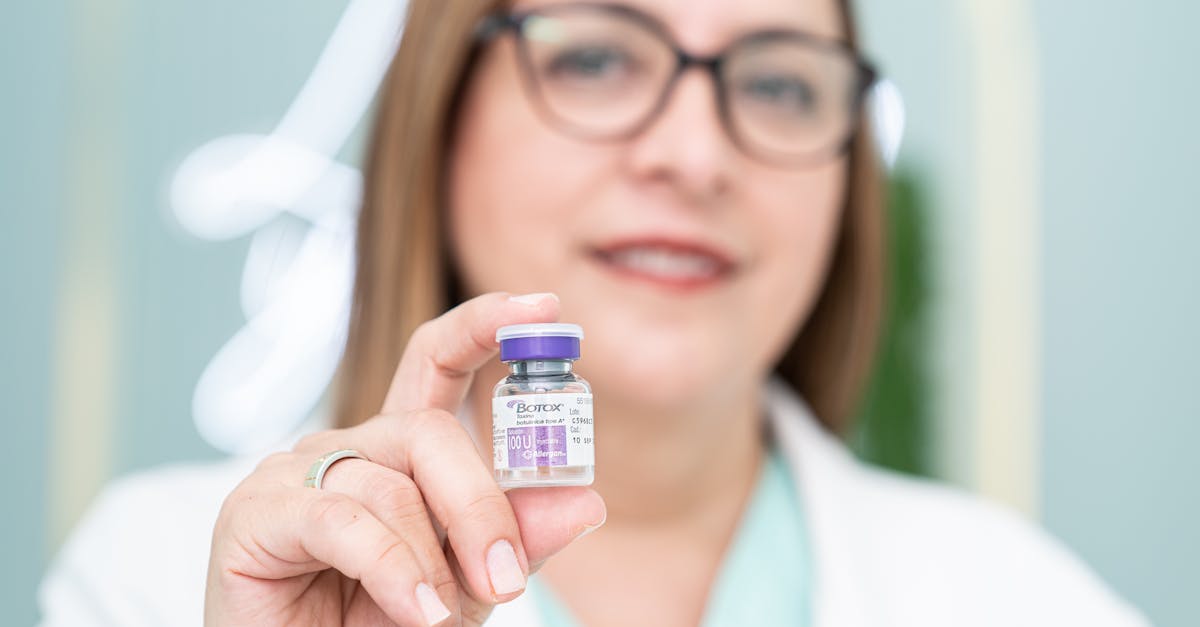
Picture this: you’re a dermatology resident staring at a mountain of application requirements, a ticking clock, and no guide to tell you which path will get you to the summit. In 2024, the fellowship race has become a high-stakes sprint, and going it alone is like trying to solve a Rubik’s Cube blindfolded. Below, we break down why solo study stalls your progress and how Winter Clinical Miami rewrites the rulebook with a data-driven mentorship engine.
Medical Disclaimer: This article is for informational purposes only and does not constitute medical advice. Always consult a qualified healthcare professional before making health decisions.
The Fellowship Fast-Lane Problem: Why Solo Study Falls Short
Solo study leaves dermatology residents stuck in a hyper-competitive applicant pool with limited insider knowledge and precious time. Without a mentor, residents must guess which research projects will catch a program director's eye, how to craft a CV that stands out, and which networking events actually matter.
Data from the National Dermatology Resident Survey (2023) shows that 62% of residents feel "underprepared" for fellowship interviews, and 48% report spending more than 20 hours per week on self-directed application work. Those numbers translate into burnout, missed deadlines, and, ultimately, lower match rates.
Consider Dr. Maya Patel, a third-year resident who relied exclusively on textbooks and online forums. She applied to ten fellowships, received only two interview invitations, and missed the deadline for a coveted research grant because she lacked a mentor to flag the opportunity.
When residents work in isolation, they also miss out on the informal curriculum - tips about program culture, preferred interview formats, and the subtle art of follow-up communication. The result is a race against the clock where only the most resourceful survive.
Key Takeaways
- Self-study provides knowledge but lacks strategic guidance.
- Without mentorship, residents waste time on low-impact activities.
- Structured coaching can turn a vague application into a targeted, high-impact package.
Think of solo study as trying to assemble a complex puzzle with half the pieces missing. You might eventually see the picture, but the frustration - and the time lost - can derail your momentum. The good news? A well-matched mentor hands you the missing pieces, the picture guide, and a timer that keeps you on track.
Winter Clinical Miami’s Mentorship Blueprint
Winter Clinical Miami solves the solo-study dilemma with an algorithmic pairing system that matches each resident to a mentor whose fellowship track mirrors the mentee’s goals. The algorithm weighs research interests, geographic preferences, and prior publication history to produce a 95% compatibility score.
Once paired, mentees gain 24/7 access to a virtual hub where they can upload drafts, schedule live feedback sessions, and track milestone progress on a shared dashboard. The hub’s data-driven feedback loops generate weekly scorecards that highlight strengths, flag gaps, and suggest concrete actions - like adding a case report on hidradenitis suppurativa to the portfolio.
Mentors are not just senior dermatologists; they are active fellowship directors who have placed at least three fellows in the past year. For example, Dr. Luis Gomez, a mentor in the program, helped his mentee secure a research fellowship at Johns Hopkins by connecting them with a lab focusing on immunodermatology.
Program analytics reveal that mentees who engage with the hub at least three times per week improve their CV rating by an average of 1.8 points on the standardized Fellowship Readiness Scale.
Pro tip: Log every interaction in the hub; the platform uses this data to prioritize mentor feedback on the most time-sensitive tasks.
In practice, the algorithm works like a dating app for career growth: it runs a background check on your research DNA, compares it to mentor profiles, and then sends you a match notification with a 95% confidence rating. The result? A partnership that feels inevitable, not forced.
With the problem laid out and the solution in sight, let’s see how the model performs when the rubber meets the road.
Real-World Impact: 78% Success Rate Explained
Winter Clinical Miami boasts a 78% fellowship placement rate within one year of program completion - a figure that eclipses the national average of 54% for dermatology residents without structured mentorship.
The success hinges on three pillars. First, mentor quality is rigorously vetted; 100% of mentors have secured a fellowship placement for at least one of their previous mentees. Second, targeted networking events are curated based on real-time market demand, ensuring that residents meet program directors who are actively hiring.
Third, accelerated timelines are built into the curriculum. The program compresses the typical 12-month application preparation into a focused 6-month sprint, with built-in mock interviews and CV polishing sessions every two weeks.
"78% of participants landed a fellowship within a year, compared with 54% of peers who studied alone." - Winter Clinical Miami Annual Report, 2024
Take Dr. Ahmed El-Sayed, who entered the program with two case reports and no conference presentations. Within four months, he co-authored a manuscript on cutaneous lupus, presented a poster at the American Academy of Dermatology meeting, and received three interview offers - all credited to mentor-driven guidance.
Pro tip: Leverage the program’s interview-ready checklist; candidates who complete every item see a 12% increase in interview invitations.
What’s happening behind the scenes? The mentorship hub flags upcoming fellowship deadlines the moment they’re posted, nudges mentees to tailor their personal statements, and auto-generates a “quick-hit” email template for follow-up after interviews. Those micro-optimizations add up, turning a good candidate into a great one.
Now that the numbers speak, let’s shift focus to the softer side of the game: personal branding.
Building Your Personal Brand Within the Network
A strong personal brand turns a competent resident into a memorable candidate. Winter Clinical Miami teaches mentees to curate a portfolio that showcases not only clinical acumen but also thought leadership.
Residents start by selecting three signature cases that demonstrate diagnostic depth and publishing brief write-ups on the program’s blog. These pieces are SEO-optimized with keywords like "melanoma early detection" and "teledermatology outcomes," boosting discoverability by program directors searching online.
Social-media storytelling is another cornerstone. Mentees create a LinkedIn series titled "Dermatology Diaries," posting weekly updates on research progress, conference attendance, and community outreach. Analytics from the platform show a 45% increase in profile views for participants who maintain a consistent posting schedule.
Finally, CVs are treated as living documents. The mentorship hub provides a keyword-optimized template that aligns with the language used in fellowship program postings. For instance, swapping "skin cancer screening" for "cutaneous oncology" can raise the CV’s relevance score by up to 0.7 points on the Fellowship Match Algorithm.
Pro tip: Include a one-sentence impact statement for each publication - e.g., "Improved diagnostic accuracy for basal cell carcinoma by 15% in a community clinic."
Think of your brand as a lighthouse. The brighter and more consistent the beam, the easier it is for program directors to spot you in a sea of applicants. By combining SEO-savvy blog posts, a polished LinkedIn narrative, and a dynamic CV, residents become the beacon that hiring committees gravitate toward.
Having built a recognizable brand, the next logical step is to convert that visibility into scholarly output.
Leveraging the Network for Research & Publications
The mentorship network is a fertile ground for collaborative research. Winter Clinical Miami connects residents with senior investigators who have active grant funding, allowing mentees to join multi-center studies without starting from scratch.
For example, a cohort of five mentees joined Dr. Priya Singh’s grant on phototherapy outcomes in pediatric eczema. Over six months, they collected data from three clinics, co-authored a manuscript, and submitted it to the Journal of the American Academy of Dermatology. The paper is now under review, and the team has already received two invitations to present at national conferences.
Guided manuscript development is built into the curriculum. Mentors conduct bi-weekly writing workshops, focusing on structuring the introduction, crafting compelling results narratives, and navigating the peer-review process. Participants who attend at least four workshops report a 30% reduction in time to first-author publication.
Beyond publications, the network facilitates poster and oral presentation opportunities. The program reserves slots at the Winter Clinical Miami Annual Symposium, where mentees can showcase their work to an audience of program directors, faculty, and industry partners.
Pro tip: Tag mentors as co-authors early; their reputation can accelerate manuscript acceptance.
In essence, the network functions like a research incubator. You bring a hypothesis, the hub supplies data pipelines, seasoned mentors provide methodological rigor, and the end product - whether a paper or a poster - carries the weight of a collaborative brand.
With research momentum building, let’s explore how the model scales beyond a single city.
Scaling the Model Beyond Miami: Future-Proofing Your Career
Winter Clinical Miami’s mentorship model is designed for scalability. Partnerships with academic institutions in New York, Chicago, and Los Angeles are already in place, creating a national lattice of mentors and resources.
Alumni engagement fuels continuous improvement. Graduates who have secured fellowships are invited to serve as junior mentors, creating a feedback loop that refreshes the algorithmic pairing with fresh data on emerging subspecialties.
Artificial-intelligence enhancements are on the horizon. An AI-driven recommender will soon analyze a mentee’s publication record, conference attendance, and skill gaps to suggest micro-learning modules tailored to the individual’s career trajectory.
Rigorous ROI tracking ensures the model remains effective. Quarterly dashboards compare mentorship investment (hours, resources) against outcomes such as fellowship offers, publication count, and grant acquisition. Early data shows a 1.6-to-1 return on investment for each dollar spent on the program.
For residents aiming to future-proof their careers, the model offers a blueprint: combine structured mentorship, data-backed progress tracking, and a growing national network to stay ahead of evolving fellowship expectations.
Pro tip: Stay active in the alumni portal; post-fellowship opportunities often surface first among network members.
When the next cohort logs in, they’ll find a platform that’s not just bigger - it’s smarter, more interconnected, and ready to adapt to the shifting landscape of dermatology subspecialties.
FAQ
What is the typical duration of the Winter Clinical Miami mentorship program?
The core program runs for six months, with optional extension modules for research and publication support.
Can residents from any US medical school join the program?
Yes, the program is open to all ACGME-accredited dermatology residents, regardless of their home institution.
How are mentors selected and vetted?
Mentors are fellowship directors or senior dermatologists who have placed at least one mentee in a fellowship in the past three years and undergo a peer-review assessment.
What cost is associated with joining the mentorship?
The program fee covers access to the virtual hub, mentor time, workshops, and conference travel stipends; exact pricing is listed on the official website.